In Dungeons & Dragons, the class is what your character does best and how they contribute to the group. The SRD 5.2.1, the rules Wizards of the Coast publishes under an open license, includes twelve: Barbarian, Bard, Cleric, Druid, Fighter, Monk, Paladin, Ranger, Rogue, Sorcerer, Warlock and Wizard.
What is a class and why does it matter?
The class decides what your character can do in the story: fight, heal, pick locks, cast spells or several of those at once. At a first-time table the character arrives with the class chosen and the actions written in plain language.
Which classes fight up close?
Four: Barbarian, Fighter, Monk and Paladin. Most take more punishment than the magic classes.
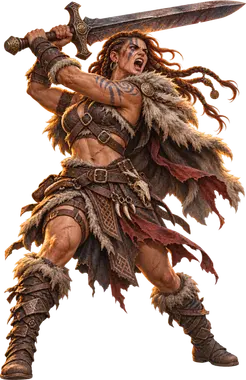
Barbarian enters a rage that makes it tougher and more damaging. It has few special rules.
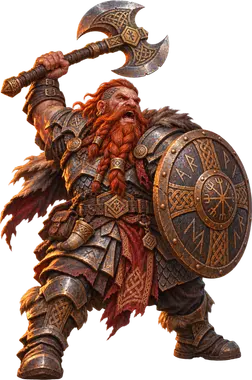
Fighter is the expert in weapons and armor,. It can fight at range or up close, with a shield or a big weapon. It has no spells and few special rules.
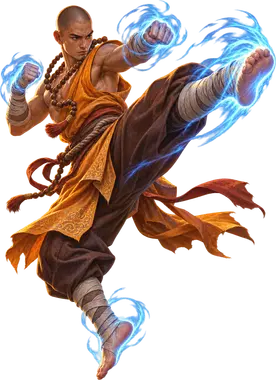
Monk fights with hands and body, with speed and discipline instead of armor. It moves more than the others and strikes several times, though it takes less punishment than a Fighter.
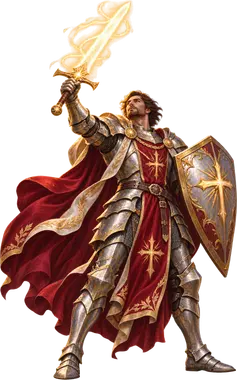
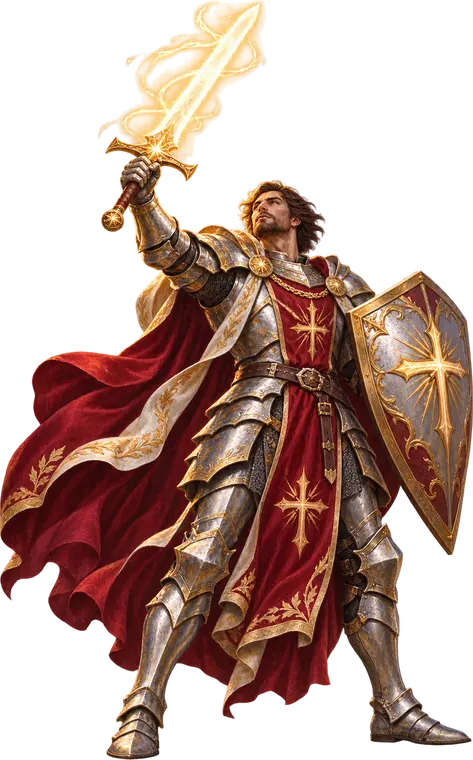
Paladin is a holy warrior bound to an oath. It wears armor, hits hard and has divine magic to heal and strengthen its blows.
Which classes rely on spells?
Five: Wizard, Sorcerer, Warlock, Cleric and Druid. All of them cast spells, but from different sources.
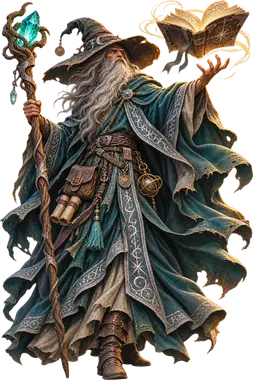
Wizard studies magic. It has the longest spell list, a book where it writes them down and few hit points. It needs protecting.
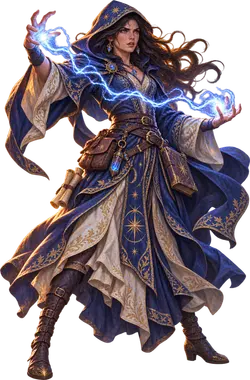
Sorcerer is born with magic, by inheritance or because of a strange event. It knows fewer spells than a Wizard, but can modify them as it casts them.
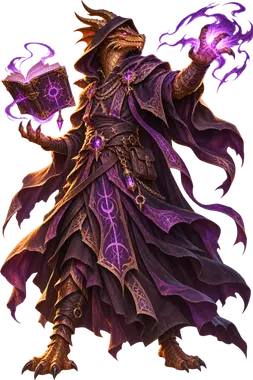
Warlock made a pact with a powerful being, who grants its magic in exchange for something. It has few spells and recovers them quickly.
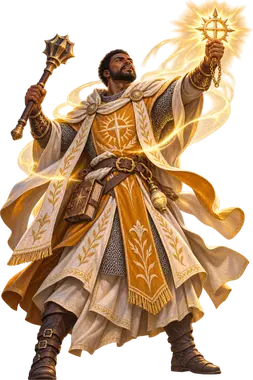
Cleric is the priest or priestess who receives power from a god. It heals, protects, punishes the undead and wears armor.
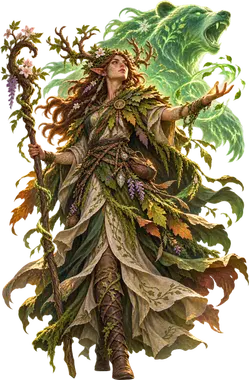
Druid draws its power from nature. It casts spells of plants, weather and animals, and can turn into beasts. It is more complex to play than others.
Which classes are about stealth, skill and exploration?
Three: Rogue, Ranger and Bard. They lean on cunning more than strength: they talk to people, track and climb.
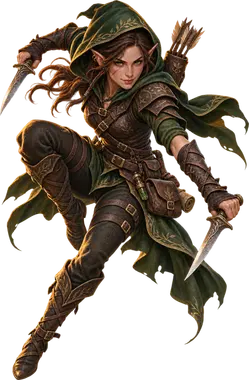
Rogue excels at stealth, locks, traps and landing a precise blow when the enemy is distracted. It usually masters more skills than the other classes.
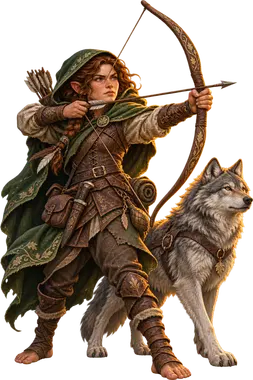
Ranger is a hunter and tracker. It uses a bow or two weapons, knows the terrain and knows a bit of natural magic.
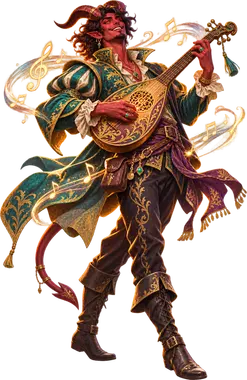
Bard uses music and words as spells. It inspires companions, deceives and persuades.
Which classes are simplest to start with?
The Fighter, the Barbarian and the Rogue are usually the easiest to learn, because they take few actions. They have no spell list or resources that get spent and recovered.
Magic classes ask for more attention, especially the Wizard and the Druid, who have many options. In first-time games the spells come already chosen.
Which one do I pick in my first game?
Pick the one that describes what you want to do, not the one that looks strongest. To fight head on, a Fighter. To cast spells, a Wizard. For cunning, a Rogue. To look after others, a Cleric.
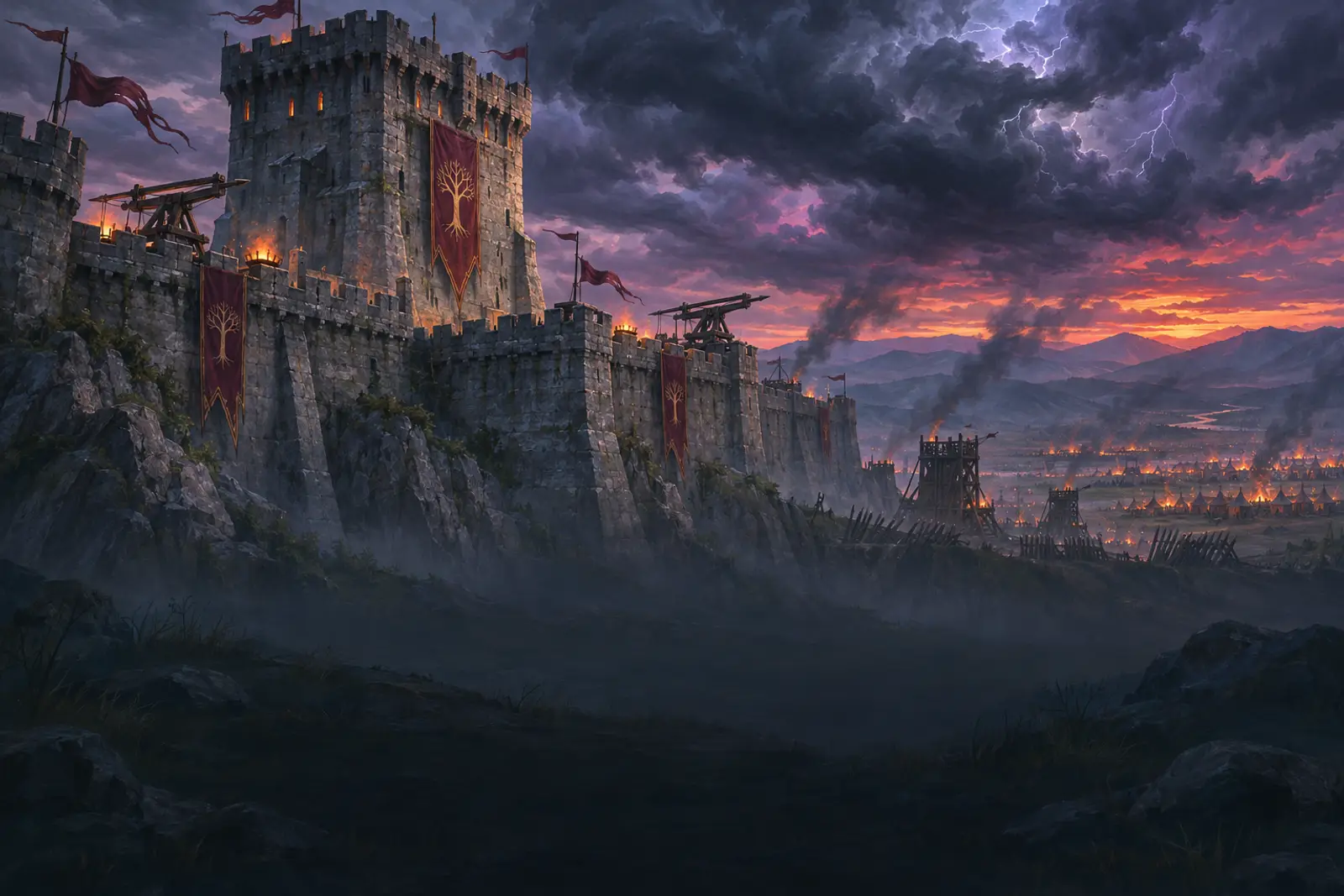
Those four are the ones first-time tables bring. The first-time guide describes them. The Night of Lanterns is the first-time table, and the DM has backup characters. For more tactical combat, Siege of the Grey Tower is a game by Rodrigo Salgado for levels 5 to 8.
Where do these descriptions come from?
The descriptions are our own; they do not copy any book.
This article includes material from the System Reference Document 5.2.1 (“SRD 5.2.1”) by Wizards of the Coast LLC, available at https://www.dndbeyond.com/srd. The SRD 5.2.1 is licensed under the Creative Commons Attribution 4.0 International License. DND México is an independent game organizer and is not affiliated with or endorsed by Wizards of the Coast.